Why is fibre so important?





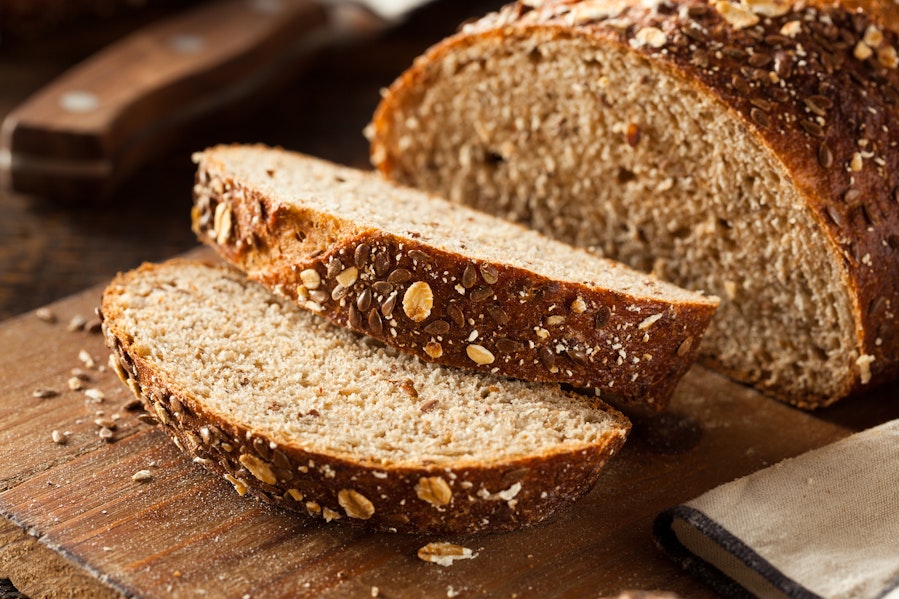
The government wants to up national intake, public sector catering want to know how much of it food products contain, so just what is it about fibre that makes it so important to our diet?
Here’s everything you need to know about fibre...
What is fibre?
Fibre, or dietary fibre is a naturally occurring carbohydrate that is found in plants. During digestion fibre reaches the large intestine intact, where it is able to feed good gut bacteria and help along bowel movements.
Why do we need fibre in our diet?
The body needs fibre as it is essential to helping move the bowels, remove waste and avert constipation.
It is also thought to help prevent or lower the risk of diseases such as bowel cancer, type 2 diabetes and heart disease.
What foods contain fibre?
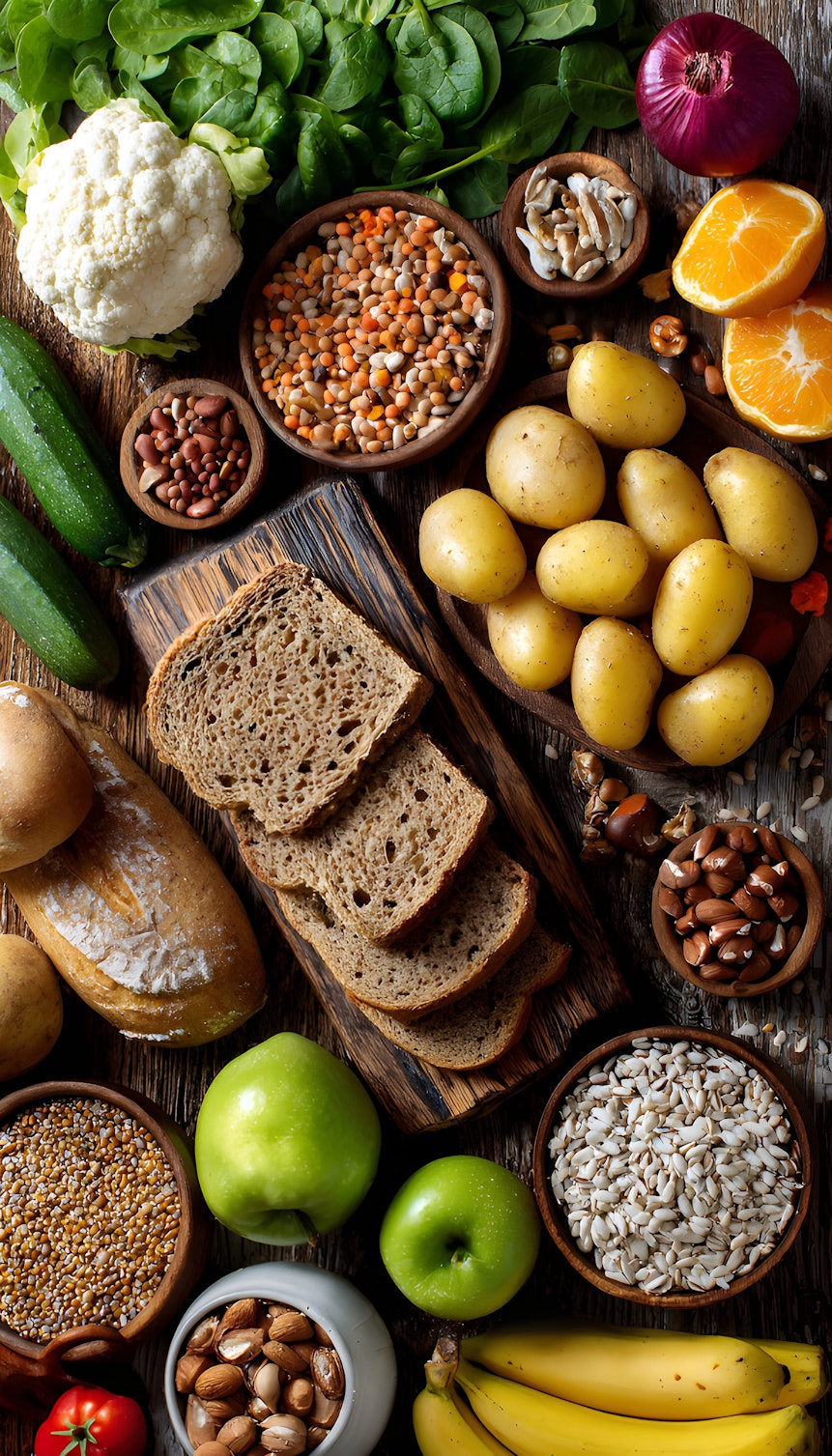
Fibre is found naturally in foods that come from a plant, such as fruit and vegetables, grains and nuts. Wholewheat, wholegerm or wholemeal bread, cereal, pasta and rice are particularly rich in fibre, as are beans, lentils and chickpeas.
How much fibre does a food product need to contain to be considered high in fibre?
To be labelled as a “source of fibre” a food product needs to contain 3g of fibre per 100g, and to be labelled as “High fibre” the food product must contain 6g of fibre per 100g.


What are the mandatory fibre standards in the food industry?
Mandatory requirements from Government Buying Standards for Food and Catering Services (GBSF) are:
Increasing fibre
At least 50% of bread provided contains at least 3g fibre per 100g (that is, is a source of fibre), excluding pre-packed sandwiches. At least 75% of pre-packed sandwiches provided contains bread with at least 3g fibre per 100g.
Breakfast cereals
At least 50% of breakfast cereals provided are higher in fibre (that is, at least 6g/100g) and shall not exceed 12.3g/100g total sugars (10g additional allowance for dried fruit in cereal).
You may also be interested in…


You may also be interested in…
What to eat and drink when you have a cold
ReadBest practice for fibre in food products
Best practices from Government Buying Standards for Food and Catering Services (GBSF) are:
Increasing fibre
To ensure at least 50% of all bread provided contains at least 3g fibre per 100g (that is, is a source of fibre), as per the mandatory standard
And, in addition to the mandatory standard,
At least 25% of all bread provided contains at least 6g per 100g (that is, high in fibre), excluding pre-packed sandwiches.
Breakfast cereals
To ensure at least 50% of all breakfast cereals provided contain at least 6g per 100g of fibre (that is, high in fibre) and shall not exceed 12.3g/100g (10g additional allowance for dried fruit in cereal), as per the mandatory standard
And, in addition to the mandatory standard
At least 25% of all breakfast cereals provided contain at least 6g per 100g (that is, high in fibre) and shall not exceed 5g/100g (10g additional allowance for dried fruit in cereal).
The government buying standards for food and catering services is what governs public sector requirements and you can find the fulll GBSF document here.
Why should Manufacturers care about fibre content in food products?
For some time there has been interest in upping the fibre intake of the UK population and consequently there has been a shift in the interest of how much fibre a food product contains. It’s of particular interest to those in public sector catering, whose requirements covers the mandates and best practices regarding fibre as seen above.
You may also be interested in…

You may also be interested in…